Migraine Treatment Hershey PA
It starts with a subtle visual blur or a feeling of unease that you can’t quite shake. Within minutes, that feeling transforms into a throbbing, relentless pain on one side of your head, accompanied by an agonizing sensitivity to light and sound. For anyone who suffers from migraines, this scenario is all too familiar—it isn’t just a headache; it is a neurological event that brings life to a sudden, grinding halt, forcing canceled plans and dark rooms.
While the instinct to reach for a prescription bottle is understandable, many residents in Hershey are looking for a different path. There is a growing movement toward finding effective, natural solutions that don’t rely on heavy medication. People are seeking ways to treat the source of the problem rather than just masking the symptoms for a few hours, hoping to break the cycle of pain without the side effects often associated with pharmaceutical interventions.
This guide explores powerful, drug-free approaches available right here in Hershey, PA. By addressing the root causes of migraine pain—from spinal alignment to lifestyle triggers—it is possible to find lasting relief. The goal is to move beyond temporary fixes and help you regain control, allowing you to return to your work, your family, and the activities you love without the constant fear of the next attack.
Differentiating Migraines from Regular Headaches
Identifying the Warning Signs (Aura)
For many, a migraine doesn’t just appear out of nowhere; it announces its arrival with a phenomenon known as an aura. This neurological warning sign occurs shortly before the pain sets in and can manifest as flashing lights, blind spots, or zigzag lines in your vision. Some individuals experience tingling sensations in their hands or face, or even temporary difficulty speaking, signaling that the brain is undergoing the chemical changes that precede the headache phase.
The Four Phases of a Migraine
Understanding a migraine requires looking at the entire cycle, which consists of four distinct phases: prodrome, aura, attack, and post-drome. The prodrome can start days before the headache with mood changes or cravings, followed by the aura phase, and then the attack itself, which brings the intense pain. Finally, the post-drome phase, often called the “migraine hangover,” leaves sufferers feeling drained, foggy, and exhausted for up to a day after the pain subsides.
Associated Symptoms Beyond Pain
What truly separates a migraine from a tension headache is the constellation of debilitating symptoms that accompany the pain. Sufferers often endure severe nausea and vomiting, which can be as disabling as the head pain itself. Extreme sensitivity to light (photophobia) and sound (phonophobia) are hallmarks of the condition, often accompanied by dizziness or vertigo, making it nearly impossible to function in a normal environment.
Migraine Treatment Hershey PA
The Cervicogenic Connection: How Your Neck Causes Headaches
Understanding “Referred Pain”
Many headaches that feel like they are originating in the skull actually begin in the neck, a phenomenon known as “referred pain.” When the upper neck vertebrae lose their proper motion or alignment, they can irritate the nerves in that area. The brain interprets this cervical distress signals as pain in the head, leading to what is called a cervicogenic headache, which frequently mimics the throbbing intensity of a classic migraine.
The Role of the Trigeminal Nerve
The connection between the neck and the head is physically bridged by the trigeminal nerve nucleus, which extends into the upper spinal cord. The nerves exiting the top of the neck (C1, C2, and C3) feed directly into this area, which is the primary pathway for pain sensation in the face and head. Consequently, dysfunction in the upper neck can sensitize this nerve center, creating a direct physiological link between neck stiffness and severe migraine-like pain.
“Tech Neck” as a Modern Trigger
In our digital age, prolonged poor posture is becoming a primary contributor to chronic head pain. Spending hours looking down at smartphones, tablets, and laptops creates a condition often called “tech neck,” which places immense, sustained stress on the delicate cervical spine. This chronic strain can alter the natural curve of the neck, leading to muscle tension and nerve irritation that serves as a consistent trigger for migraine episodes.
Chiropractic Adjustments for Migraine Relief
Restoring Proper Cervical Alignment
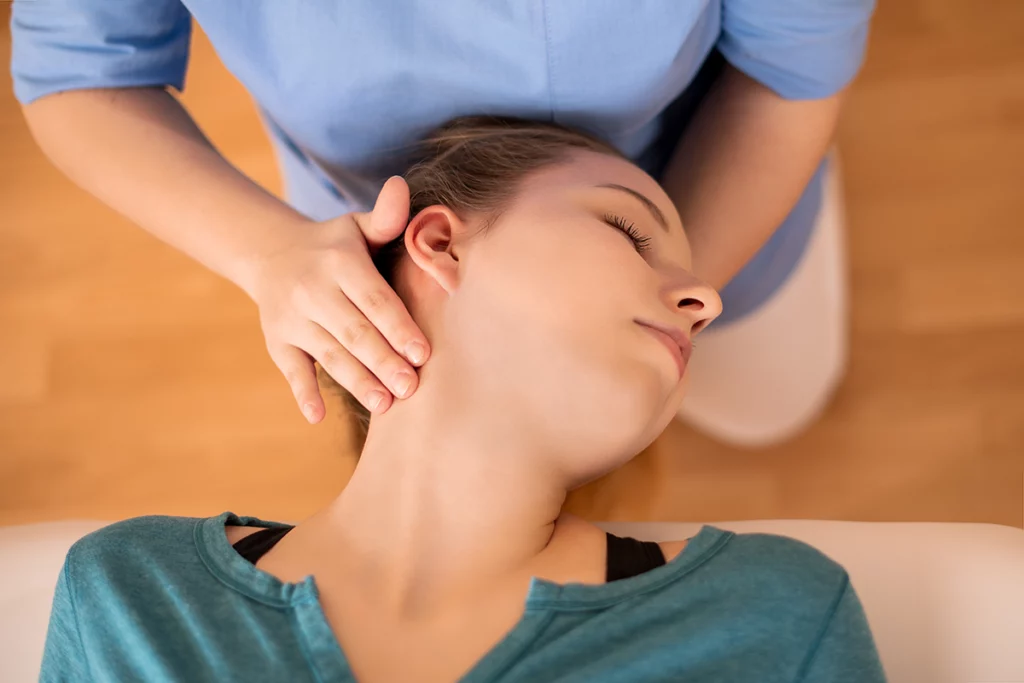
One of the most effective non-drug treatments involves gentle, specific adjustments to the vertebrae in the neck. By correcting misalignments, chiropractic care relieves the physical pressure placed on the nerves that travel into the head. This reduction in mechanical irritation helps to interrupt the pain signals at their source, offering relief that addresses the structural cause rather than just dulling the sensation.
Improving Blood Flow to the Brain
Proper spinal alignment is also crucial for maintaining optimal circulation to the brain. Misalignments in the cervical spine can affect the vertebral arteries, potentially restricting or altering blood flow. Correcting the spine’s position helps normalize this circulation, which is significant because changes in blood flow—specifically the constriction and subsequent dilation of blood vessels—are a key factor in the onset of vascular migraines.
Calming the Nervous System
Beyond structural correction, chiropractic care has a profound effect on the central nervous system. Adjustments help to shift the body out of a chronic “fight-or-flight” sympathetic state and into a more relaxed parasympathetic state. This shift reduces overall systemic tension and lowers the body’s baseline stress levels, making the nervous system less reactive and less susceptible to the various environmental and internal triggers that cause migraines.
Hershey Family Chiropractic: Your Supportive Partners in Health
A Welcoming Space for Relief
Finding relief starts with finding a place where you feel comfortable and understood. Hershey Family Chiropractic is dedicated to providing a warm, caring, and family-friendly atmosphere. Patients are not just numbers on a chart; they are treated with empathy and respect in an environment designed to be supportive throughout the entire healing journey.
A Team Approach to Your Care
Success in treating complex conditions like migraine issue often requires more than a single perspective. The collaborative environment at the clinic means practitioners work together to build a comprehensive plan tailored to each individual. By combining expertise, the team creates a strategy that addresses unique migraine triggers and aligns with specific health goals, ensuring a holistic approach to recovery.
Building Lasting Wellness in Our Community
The mission extends far beyond simply treating acute pain in a clinical setting. The focus is on being a long-term partner in helping Hershey families achieve and maintain a vibrant, pain-free life. By fostering relationships and educating the community on sustainable health practices, the goal is to empower residents to live their healthiest lives for years to come.
Migraine Treatment Service Hershey PA
The Power of Soft Tissue Therapy
Releasing Suboccipital Muscle Tension
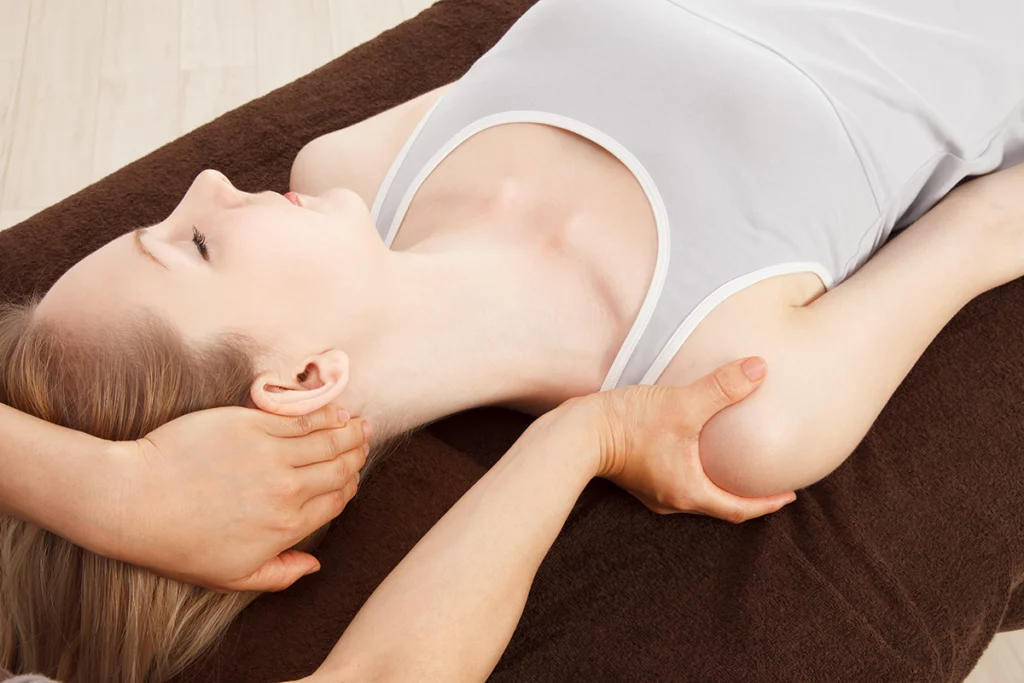
The small group of muscles located at the very base of the skull, known as the suboccipitals, are often a major source of trouble for migraine sufferers. When these muscles become tight or spastic, they can compress the nerves traveling to the head. Targeted massage therapy focuses on releasing this specific tension, which can provide immediate and significant relief from the “vice-like” pressure often felt during a headache.
Trigger Point Therapy for Referred Pain
Muscle knots, or trigger points, in the neck, shoulders, and upper back are capable of sending pain signals to entirely different parts of the body, including the forehead and behind the eyes. Therapists use specific pressure techniques to release these knots, effectively deactivating the trigger points. This interrupts the referral pattern, stopping the pain signals that are contributing to the headache intensity.
Reducing Overall Muscle Guarding
Chronic pain often leads to a phenomenon called muscle guarding, where the body unconsciously tenses up in anticipation of pain or as a response to stress. This constant state of contraction in the upper body creates a feedback loop that fuels further headaches. Therapeutic massage helps to relax this chronic tension, breaking the cycle of guarding and allowing the muscles to return to a natural, resting state.
Identifying and Managing Your Personal Triggers
The Value of a Migraine Diary
Because every migraine sufferer is unique, pinpointing specific causes is a critical step toward prevention. Keeping a detailed migraine diary allows individuals to track their food intake, sleep patterns, stress levels, and daily activities. Over time, this record reveals consistent patterns and correlations that precede an attack, providing the data needed to make informed lifestyle changes.
Common Dietary Triggers
Food sensitivities are a surprisingly common culprit in triggering migraine attacks. While triggers vary, some of the most frequent offenders include aged cheeses containing tyramine, processed meats with nitrates, excessive caffeine, and artificial sweeteners like aspartame. Eliminating these items for a period and reintroducing them slowly can help identify which specific foods might be launching an attack.
Environmental and Hormonal Factors
External and internal environments play a massive role in migraine frequency. Bright or flickering lights, strong smells like perfume or smoke, and drastic changes in weather or barometric pressure are well-documented environmental triggers. Additionally, hormonal fluctuations, particularly in women during their menstrual cycle, can precipitate attacks, making it important to track these cycles alongside other potential triggers.
Nutritional and Supplemental Support
The Role of Magnesium and Riboflavin (B2)
Certain nutrients play a pivotal role in neurological health and migraine prevention. Magnesium deficiency is common in migraine sufferers, and supplementation has been shown to help stabilize blood vessels and prevent the cortical spreading depression that causes aura. Similarly, Riboflavin (Vitamin B2) is often recommended to boost mitochondrial energy production in brain cells, which can reduce the frequency and severity of headaches for some individuals.
Staying Hydrated to Prevent Attacks
One of the simplest yet most overlooked preventative measures is maintaining proper hydration. Dehydration decreases blood volume and oxygen flow to the brain, acting as a potent trigger for headaches. Making a conscious effort to drink water consistently throughout the day—not just when thirsty—is a foundational step in keeping the body’s systems balanced and resilient against migraines.
Anti-Inflammatory Foods
Chronic inflammation can lower the threshold for pain and make the body more reactive to triggers. Incorporating an anti-inflammatory diet rich in omega-3 fatty acids, such as salmon, walnuts, and flaxseeds, can help reduce systemic inflammation naturally. Focusing on whole, unprocessed foods helps quiet the inflammatory response, creating an internal environment that is less prone to pain.
Stress Management Techniques
The Mind-Body Connection
Emotional stress is perhaps the most universal trigger for migraines, as it directly translates into physical tension. When the mind is stressed, the shoulders hike up, the jaw clenches, and breathing becomes shallow, all of which strain the neck and head. acknowledging this direct link is the first step in interrupting the pathway between a stressful day and a painful migraine.
Breathwork for Immediate Calming
When stress levels spike or the early warning signs of a migraine appear, controlling the breath is a powerful tool. A simple technique like box breathing—inhaling for four counts, holding for four, exhaling for four, and holding for four—can help calm the nervous system immediately. This signals safety to the brain, helping to reduce the fight-or-flight response that often exacerbates pain.
The Importance of Quality Sleep
Sleep is the brain’s time to repair and reset, and a lack of it is a surefire way to trigger a migraine. Establishing a consistent sleep schedule by going to bed and waking up at the same time every day helps regulate the body’s circadian rhythms. Optimizing sleep hygiene by keeping the room cool and dark supports deep, restorative rest, which is fundamental to preventing attacks.

Migraine Treatment
At-Home Relief During an Attack
Using Cold Packs for Pain Relief
When a migraine strikes, simple temperature therapy can offer a degree of comfort. Placing a cold pack or an ice wrap on the forehead, temples, or the back of the neck helps to constrict the dilated blood vessels that are contributing to the throbbing pain. The cold sensation also has a numbing effect on the area, which can help distract the nerves from the intensity of the headache.
Creating a “Migraine Cave”
Reducing sensory input is critical when the brain is in a hypersensitive state. Retreating to a quiet, dark room—often referred to as a “migraine cave”—helps minimize the light and sound that can worsen the pain and nausea. Lying down in this controlled environment allows the nervous system to rest without the constant bombardment of external stimuli.
Gentle Neck Stretches
If the pain allows, performing very gentle movements can help keep the neck muscles from seizing up completely. Slow, mindful stretches that target the neck and shoulders can help alleviate some of the tension contributing to the headache. It is vital to listen to the body, however, and only perform movements that feel safe and do not increase the intensity of the throbbing.
The Goal of Proactive, Preventative Care
Moving from Reactive to Proactive
The ultimate objective of natural migraine care is to change the approach from chasing pain to preventing it. Rather than waiting for an attack to incapacitate you and then treating the symptoms, the focus shifts to strengthening the body’s structure and resilience. This proactive mindset aims to address the underlying vulnerabilities so that the body is no longer constantly on the verge of an episode.
Reducing Reliance on Medication
By addressing the root mechanical and lifestyle causes of migraines, patients often find they can significantly reduce their intake of painkillers. This is a major victory for long-term health, as it decreases the risk of “rebound headaches” caused by medication overuse and avoids the potential side effects of chronic drug use. A natural approach empowers the body to manage pain regulation on its own.
Investing in Long-Term Resilience
Committing to consistent chiropractic care, massage therapy, and lifestyle management is an investment in a better future. It is about building a foundation of health that allows for more good days—days spent playing with children, succeeding at work, and enjoying life in Hershey PA. This resilience means that even when stress occurs, the body is strong enough to handle it without collapsing into pain.
Taking the First Step Toward Relief
Migraines are complex, multifaceted conditions that rarely have a single cause, which is why a single pill often fails to provide a permanent solution. By embracing a comprehensive, natural approach that combines chiropractic adjustments, soft tissue therapy, and lifestyle management, it is possible to unravel the web of triggers and find a path to true relief. You do not have to accept migraines as a permanent fixture in your life.
If you are tired of losing days to pain and darkness, know that there is a supportive community ready to help you find a better way. The journey to a clearer, more comfortable life begins with a single step. Reach out to schedule a consultation today to explore drug-free options for migraine treatment and start building a healthier, pain-free future.