
Chiropractic Near Me Hershey PA
Waking up in the morning should feel like a fresh start, yet for many residents in Hershey, the first few moments of the day are defined by resistance. There is a familiar, unwelcome sensation of stiffness in the lower back, a neck that refuses to turn freely, or hips that feel locked in place. This lack of mobility does more than just cause physical discomfort; it limits how fully one can engage with life. Whether it is struggling to tie shoelaces, hesitating to join a game of catch at the park, or feeling exhausted by the effort it takes simply to move through a workday, stiffness acts as a barrier to the vibrant lifestyle many seek.
Chiropractic care in Hershey PA offers a pathway out of this cycle of stiffness and discomfort. By addressing the root causes of restricted movement, expert care can transform a rigid frame into a flexible, responsive body. This transition from stiffness to flexibility allows individuals to move with greater ease, feel significantly younger, and participate more actively in their community. It is not just about relieving pain; it is about unlocking potential.
This article explores the mechanics of why bodies get stiff and how chiropractic adjustments serve as a powerful tool for restoring motion. It covers the specific ways sedentary lifestyles impact the spine, the physiological benefits of soft tissue therapy, and the crucial connection between the nervous system and muscle tension.
Understanding the Roots of Stiffness
The “Rust” Analogy
Think of the joints in the body like hinges on a gate; when a gate sits unused for a long time, the hinges become rusty, stiff, and difficult to open. Similarly, when spinal joints or extremities are not moving through their full range of motion regularly, they develop a form of biological “rust” known as fixation. This lack of movement leads to a decrease in natural lubrication, causing the joint surfaces to feel gritty and resistant rather than smooth and gliding.
Sedentary Lifestyles
Modern life often demands that people spend hours in positions that are biologically unnatural, such as sitting at a desk, commuting in a car, or slouching on a sofa while looking at screens. This sedentary behavior places immense stress on the spine and supporting structures, causing the hip flexors to shorten and the upper back to become rigid and rounded.
Inflammation as a Barrier
Chronic inflammation in the soft tissues surrounding the joints acts like a thick, viscous glue that impedes movement. When joints are misaligned or under constant stress, the body responds with an inflammatory process to protect the area, leading to swelling and fluid retention. This buildup creates internal pressure and a sensation of thickness within the tissues, physically blocking the joint from moving through its full range.
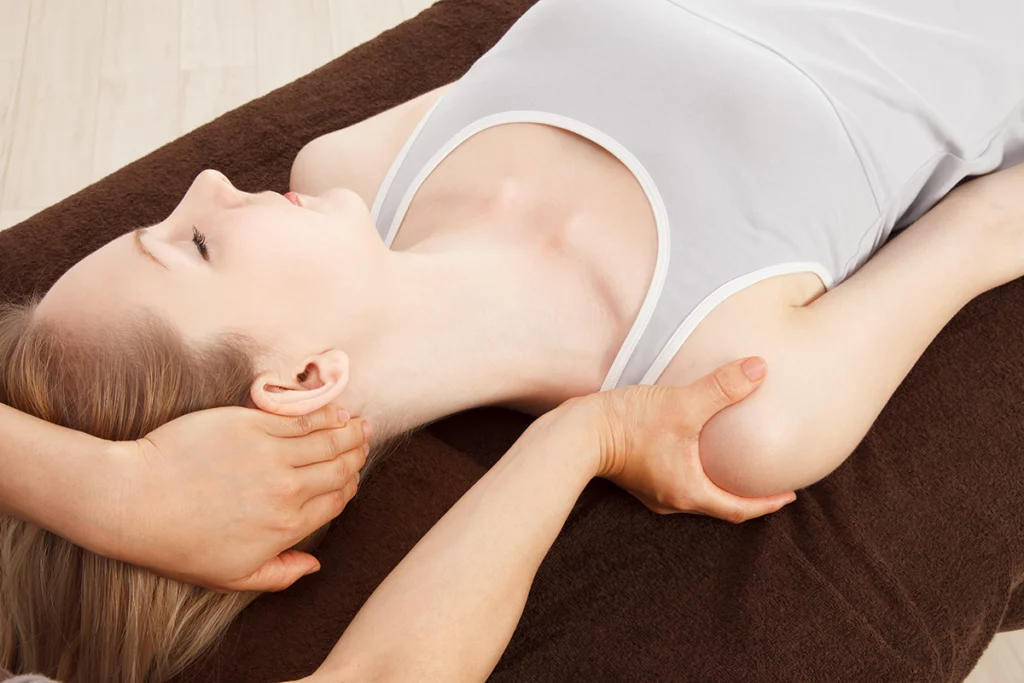
Chiropractic Near Hershey PA
How Chiropractic Restores Joint Mobility
Unlocking Stuck Joints
A chiropractic adjustment is specifically designed to address joint fixation by applying a precise, controlled force to a vertebra or joint that has lost its normal motion. This targeted movement helps to break up the fibrous adhesions that may have formed between the joint surfaces, effectively “unsticking” the joint. By restoring the proper alignment and motion, the adjustment removes the mechanical barrier that was preventing movement, allowing the joint to glide freely once again.
Restoring Synovial Fluid Flow
Movement acts as the primary pump for synovial fluid, which is the natural oil that lubricates the joints and nourishes the cartilage. When a joint is stuck, this fluid becomes stagnant and thick, but the motion introduced during a chiropractic adjustment stimulates the production and circulation of fresh synovial fluid. This influx of lubrication reduces friction between the joint surfaces, allowing them to slide past one another with minimal resistance.
Reducing Muscle Guarding
The nervous system is highly protective and will often cause muscles to tighten or spasm around a joint that is misaligned or unstable, a phenomenon known as muscle guarding. This protective tension limits movement to prevent further injury, but it also contributes significantly to the feeling of stiffness. By correcting the underlying structural alignment through chiropractic care, the threat to the joint is removed, signaling to the nervous system that the danger has passed.
The Connection Between Flexibility and Posture
The Slouch Effect
Poor posture, such as the common forward head carriage and rounded shoulders, creates a significant imbalance in the muscular system that destroys flexibility. In this “slouched” position, the muscles across the chest become chronically shortened and tight, while the muscles of the upper back are overstretched and weak. This imbalance creates a physical tether that pulls the body forward, making it feel physically impossible to stand up straight or extend the spine fully.
Realigning the Structural Foundation
Attempting to force good posture on a spine that is rigid and misaligned is not only difficult but often uncomfortable and unsustainable. Chiropractic care focuses on loosening the structural components of the spine first, ensuring that each vertebra can move independently and correctly. Once the structural foundation is mobile and aligned, adopting a healthy, upright posture becomes a natural and comfortable state rather than a forced effort.
Long-Term Wear Prevention
Flexible, well-aligned joints distribute the weight of the body evenly across the entire surface area of the joint, much like properly aligned tires on a car wear evenly. When joints are stiff and misaligned, gravity places excessive pressure on specific points, leading to accelerated wear and tear that can eventually result in osteoarthritis. By maintaining flexibility and proper alignment through chiropractic care, patients can prevent this uneven loading.
Hershey Family Chiropractic: Your Team for Better Movement
A Welcoming Environment
Stepping into Hershey Family Chiropractic feels less like a clinical appointment and more like visiting a supportive group of friends who care about your well-being. The practice cultivates a warm, inviting atmosphere designed to lower stress levels the moment a patient walks through the door, which is crucial because mental stress often manifests as physical tension. Every patient is treated with individual attention and kindness, fostering a sense of belonging that encourages relaxation and trust.
Integrated Care for Total Flexibility
The approach at Hershey Family Chiropractic goes beyond simple spinal adjustments to treat the whole person through a combination of modalities. Recognizing that true flexibility requires addressing both the hard tissues (bones) and soft tissues (muscles and ligaments), the team integrates chiropractic care with complementary therapies. This might include specific rehabilitation exercises, nutritional advice to lower inflammation, or coordination with massage therapy.
Partners in Your Active Lifestyle
The team at Hershey Family Chiropractic views themselves as active, long-term partners in every patient’s health journey rather than just a quick fix for pain. They are committed to understanding the specific goals of each individual, whether that means hiking the local trails, gardening without back pain, or training for a marathon. This partnership involves ongoing education and support, empowering patients with the tools they need to maintain their flexibility outside the office.

Chiropractic Care Hershey PA
Soft Tissue Therapies to Complement Adjustments
Massage for Elasticity
Massage therapy serves as an excellent companion to chiropractic care by physically warming up the muscle tissue and increasing blood flow to stiff areas. This process makes the muscle fibers more pliable and elastic, reducing the resistance the chiropractor encounters during an adjustment. When muscles are warm and flexible, they are less likely to pull the spine back into misalignment after treatment.
Breaking Down Scar Tissue
Old injuries, surgeries, or years of repetitive strain can lead to the formation of dense, fibrous scar tissue that restricts movement like a straitjacket inside the body. Techniques such as myofascial release are used to manually target and break down these adhesions, restoring the natural slide and glide between the layers of muscle and fascia. As this scar tissue is remodeled and broken up, the tissues regain their ability to stretch and lengthen.
Trigger Point Relief
Trigger points, commonly known as “knots,” are hyper-irritable spots within a tight band of muscle that can cause pain and restrict movement in the surrounding joints. Applying sustained pressure to these specific points helps to interrupt the pain-spasm cycle, causing the muscle fiber to release and lengthen. Releasing a trigger point can often result in an instant improvement in the range of motion, as the muscle is no longer physically shortening the distance between two joints.
Flexibility for Athletic Performance
Preventing Injury on the Field
Athletes with high levels of flexibility are significantly less prone to common injuries such as strains, sprains, and tears. A flexible body acts like a shock absorber, capable of moving through full ranges of motion and dissipating impact forces safely without structural failure. When muscles and joints are pliable, they can extend to accommodate sudden, explosive movements or awkward landings that would cause a stiff body to snap. Regular chiropractic care ensures that an athlete’s body remains in this resilient state, keeping them in the game and off the sidelines.
Optimizing Power Output
Contrary to the belief that stiffness provides stability, a stiff body is actually biomechanically inefficient and leaks energy during movement. Restoring flexibility allows muscles to undergo a full stretch-shortening cycle, which is essential for generating maximum power and speed. When joints move without restriction, muscle contractions can be more complete and forceful, translating directly to better performance, whether swinging a golf club or sprinting down a track.
Recovery for Weekend Warriors
For casual athletes who squeeze intense activity into the weekends, the Monday morning stiffness can be debilitating and discouraging. Regular chiropractic care helps “weekend warriors” recover faster by ensuring that the body flushes out metabolic waste products and returns to alignment quickly after exertion. By maintaining a baseline of flexibility throughout the week, the body is better prepared to handle the sudden increase in activity during the weekend.
Aging with Grace and Mobility
Combating “Normal” Aging Stiffness
There is a pervasive myth that getting stiff and immobile is an inevitable, unstoppable part of getting older. However, much of what is attributed to aging is actually the result of accumulated wear and lack of maintenance, which can be managed and even reversed with regular care. Regular chiropractic maintenance keeps the joints mobile and the spine aligned, effectively counteracting the cumulative stress of gravity and time.
Balance and Fall Prevention
Falls are a major concern for older adults, and flexibility plays a critical, often overlooked role in maintaining balance. The ability of the ankles and hips to move freely allows the body to make the micro-adjustments necessary to catch itself when stability is compromised. If these joints are stiff, the body cannot react quickly enough to changes in terrain or shifts in weight, increasing the risk of a fall.
Maintaining Independence
The ability to live independently relies heavily on physical mobility, from turning the head to check blind spots while driving to reaching for items on a high shelf. Keeping the spine and extremities mobile allows older adults to continue performing these daily tasks without relying on assistance from others. This physical capability is directly tied to emotional well-being and dignity, as it allows seniors to remain active participants in their families’ lives.

Chiropractic Care
The Nervous System’s Role in Flexibility
Calming the Fight-or-Flight Response
A stressed nervous system perceives the environment as a threat and keeps the body in a constant state of “fight-or-flight,” causing muscles to remain tight and ready for action. Chiropractic adjustments have a profound effect on the nervous system, helping to shift the body into a parasympathetic “rest and digest” state. In this relaxed state, the constant command to tense the muscles is turned off, allowing for a deep, systemic release of tension.
Improving Proprioception
Proprioception is the brain’s ability to sense where the body is in space, a sense that relies on feedback from receptors in the joints and muscles. When joints are fixated, this feedback loop is dampened or distorted, leading to clumsy, uncoordinated movement patterns that the body protects by stiffening up. Adjustments restore clear communication between the joints and the brain, improving body awareness and coordination.
Reducing Pain Signals
Chronic pain causes the body to instinctively “brace” itself against anticipated discomfort, creating a protective shield of tension that limits movement. This bracing effect becomes a habit, locking the body in a stiff pattern even when the acute injury has healed. By reducing pain through chiropractic interventions, the body no longer feels the need to maintain this protective armor.
Daily Habits to Maintain Your Adjustment
Hydration for Tissue Health
The spinal discs and the fascial network that connects muscles are composed largely of water, making hydration critical for flexibility. Without adequate water intake, these tissues become dehydrated, brittle, and prone to stiffness, much like a dried-out sponge. Drinking enough water ensures that the soft tissues remain plump, supple, and capable of sliding over one another smoothly.
Ergonomics at Work and Home
Creating an environment that supports movement is essential for preventing stiffness from returning between appointments. This means setting up workstations so that the screen is at eye level to prevent neck strain and ensuring that chairs provide proper lumbar support. However, even the best ergonomic setup cannot prevent stiffness if the body is held in one position for too long.
The Importance of “Movement Snacks”
Rather than relying solely on a structured workout at the end of the day, incorporating frequent “movement snacks” can keep stiffness at bay. These are short, 30-to-60-second breaks taken every hour to stand up, stretch, or walk around. This consistent, low-intensity movement prevents the tissues from settling into a rigid state and keeps blood flowing to the muscles.
Active Stretching and Rehabilitation
Personalized Stretch Routines
A generic stretching routine can sometimes do more harm than good if it targets the wrong areas or aggravates an underlying issue. Expert chiropractors provide personalized stretch routines based on a patient’s specific spinal misalignments and muscle imbalances. These targeted exercises are designed to lengthen the exact muscles that are shortening the patient’s posture, providing a much more effective path to flexibility.
Dynamic vs. Static Stretching
Understanding the difference between dynamic and static stretching is key to safe and effective flexibility training. Dynamic stretching involves moving through a range of motion to warm up the body before activity, while static stretching involves holding a position to lengthen the muscle after the body is warm. Using static stretching on cold muscles can actually lead to injury and reduced performance. Chiropractic guidance ensures that patients use the right type of stretching at the right time to maximize benefits and minimize the risk of strain.
Strengthening to Support Flexibility
Flexibility without stability creates a loose, unstable joint that is prone to injury, which is why strengthening is a crucial component of mobility. The core muscles must be strong enough to support the newfound range of motion in the spine, acting as a natural corset. Exercises that build deep core stability ensure that the flexible spine is protected during movement.

Chiropractic Treatment
Conclusion
Stiffness does not have to be a life sentence or an accepted part of the daily routine. It is simply a signal from the body that the mechanical and neurological systems need support and realignment. Chiropractic care offers a comprehensive, non-invasive solution that addresses the root causes of rigidity by restoring joint function, soothing the nervous system, and improving soft tissue health. This holistic approach moves beyond temporary symptom relief to create lasting changes in how the body moves and feels.
A flexible body is ultimately a free body—free to explore the beautiful parks of Hershey, free to play on the floor with grandchildren, and free to navigate the world without hesitation. Hershey PA Family Chiropractic is dedicated to helping every patient discover that freedom. By partnering with a team that cares about long-term wellness, anyone can transition from waking up stiff to living a life defined by fluid, pain-free movement.
