
From Shooting Pain to Stability: Herniated Disc Treatment Near Me Explained
You reach down to tie your shoe or twist to grab a bag of groceries, and suddenly, it happens. A sharp, electric “zap” of pain shoots through your lower back, perhaps traveling all the way down your leg. In an instant, your day changes. That startling sensation can be frightening, leaving you frozen in place and worried about what just happened to your spine. It is a common experience that sends many people searching for answers and relief immediately.
While the pain feels alarming and the intensity can be overwhelming, a herniated disc is often a mechanical issue rather than a permanent condition. Think of the spine’s shock absorbers as having a momentary failure that requires specific help to heal. The body is incredibly resilient, and with the right support, these tissues can repair themselves.
This guide walks through exactly what is happening inside the spine and how local, non-invasive solutions can guide the body from acute agony back to lasting stability. Finding the right herniated disc treatment near me means partnering with a team that understands not just the symptoms, but the root cause.
Anatomy of a “Slipped” Disc: What’s Really Happening?
The Jelly Donut Analogy
To understand a spinal disc, picture a jelly donut. The disc is made up of a tough, rubbery outer layer called the annulus fibrosus, which protects a soft, gel-like center known as the nucleus pulposus. When a herniation occurs, a tear or weakness in that tough outer layer allows the soft inner “jelly” to leak out into the spinal canal.
Why It Hurts So Much
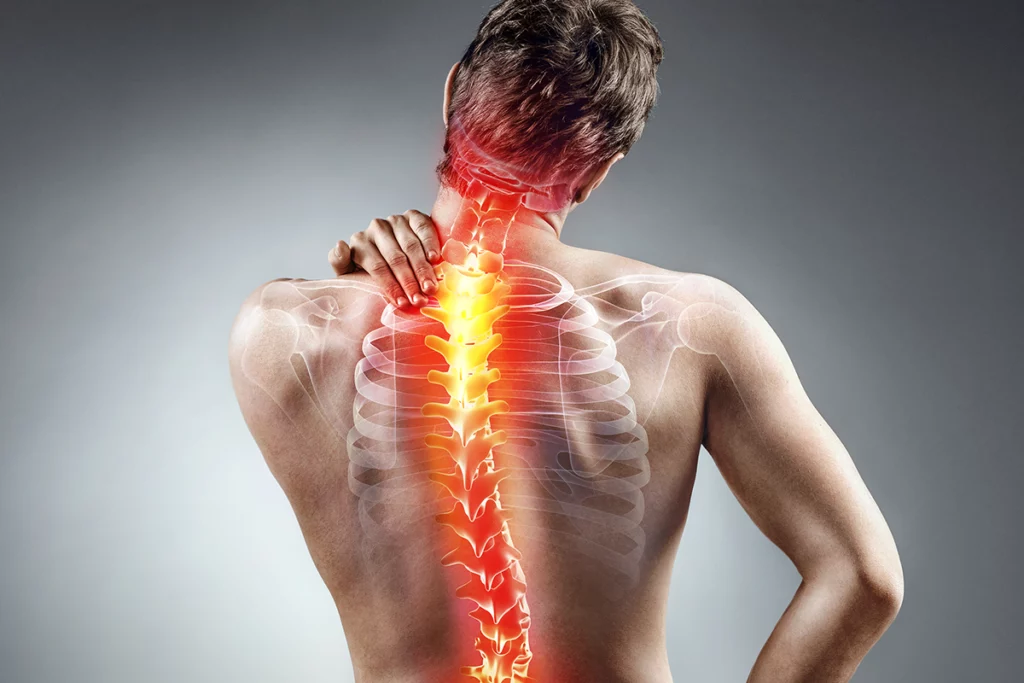
The intense pain associated with a herniated disc rarely comes from the tear in the disc alone. Instead, the agony usually stems from the leaked inner material pressing directly against sensitive nerve roots nearby, such as the sciatic nerve. This chemical irritation and physical compression cause the shooting pain, burning sensations, or weakness that can radiate far away from the actual site of the injury, often down into the buttocks or legs.
Common Culprits
Disc injuries do not always happen due to a single traumatic event like a car accident. Often, they are the result of cumulative stress from everyday factors such as improper lifting techniques, prolonged sitting with poor posture, or repetitive twisting motions. Natural, age-related wear and tear also plays a role, as spinal discs lose hydration and flexibility over time, making them more susceptible to injury during mundane daily activities.
Herniated Disc Treatment
The Difference Between Bulging and Herniated Discs
Defining the Severity
It is helpful to distinguish between a “bulge” and a true “herniation,” as these terms describe different stages of disc issues. A bulging disc acts like a tire that is low on air; it flattens and extends outward without the inner core breaking through the outer layer. A herniation is more like a blowout where the inner material actually ruptures through the casing, generally considered a more severe mechanical failure that requires a specific approach to care.
Symptom Variations
Because of the physical differences, the symptoms experienced can vary significantly between the two conditions. A bulging disc might cause dull, localized aches in the back or general stiffness because it creates broad pressure. In contrast, a herniation often targets a specific nerve root, leading to sharp, lightning-like pain, distinct numbness, or “pins and needles” sensations in the extremities that can feel much more intense and alarming.
Why Accurate Diagnosis Matters
Knowing exactly which type of injury is present is crucial for creating a safe and effective recovery plan. A treatment protocol for a minor bulge might focus heavily on immediate strengthening, while a true herniation might require a gentler, inflammation-focused approach initially to avoid aggravating the nerve. An accurate diagnosis ensures that therapy aids the healing process rather than accidentally increasing the pressure on an already compromised area.
Non-Invasive Chiropractic Solutions
Gentle Spinal Adjustments
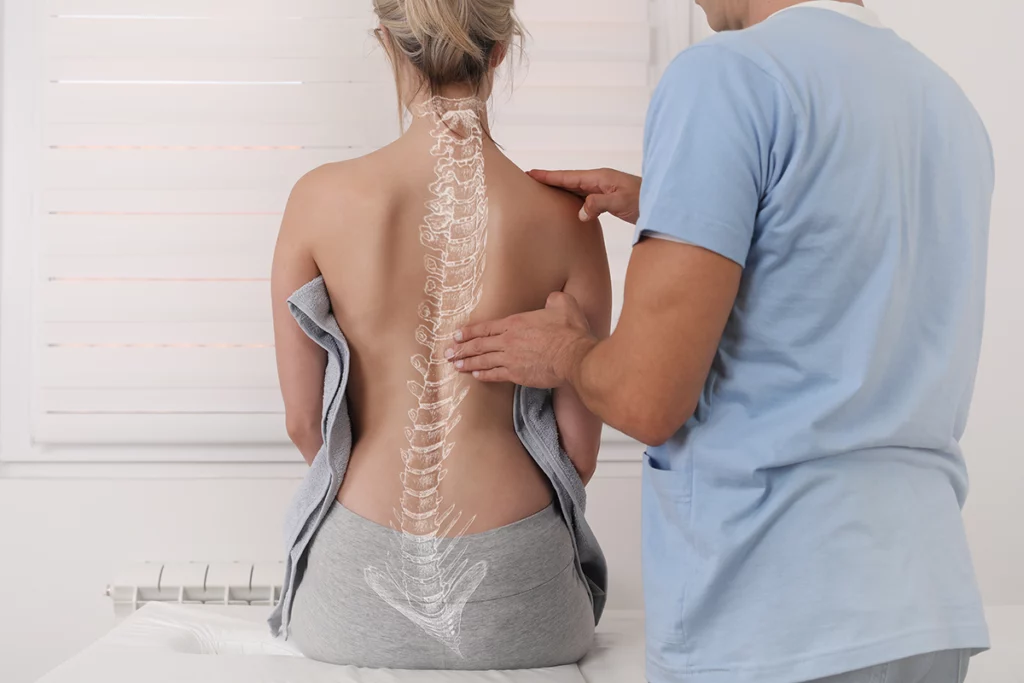
Chiropractic care offers a pathway to relief through low-force techniques designed to correct vertebral alignment. By gently adjusting the spine, practitioners can reduce the mechanical stress placed on the damaged disc without resorting to aggressive twisting or popping. This alignment helps improve the spacing between vertebrae, taking the pressure off the injured area and allowing the body’s natural healing mechanisms to function more efficiently.
The Goal of Decompression
Spinal decompression is a key component of non-invasive treatment, focusing on creating negative pressure within the disc space. This gentle traction helps create a vacuum effect that can encourage the herniated material to retract back into the center of the disc, away from the sensitive nerve root.
Restoring Range of Motion
When a disc is injured, the surrounding joints often lock up as a protective mechanism, leading to stiffness and compensatory pain. Chiropractic care aims to safely mobilize these joints to prevent the back from freezing up completely. Restoring proper range of motion helps maintain flexibility in the rest of the spine, preventing secondary issues from developing in the hips or upper back while the primary injury heals.
Hershey Family Chiropractic: Your Partner in Disc Recovery
A Supportive Team Approach
Recovering from a disc injury takes a village, and Hershey Family Chiropractic provides a warm, family-like environment where patients are supported every step of the way. The team understands that chronic pain is physically and emotionally draining, so the atmosphere is designed to be encouraging and inclusive. Patients are not just a collection of symptoms; they are partners in a journey toward better health, surrounded by professionals who genuinely care about their well-being.
Integrated Care for Faster Healing
One of the major benefits of this practice is having chiropractic care and soft tissue therapies available under one roof. This integrated model allows for a coordinated attack on pain, addressing both the skeletal misalignment and the muscular tension simultaneously. Instead of driving to multiple appointments at different locations, patients receive a comprehensive care plan where the chiropractor and therapists communicate to ensure every treatment complements the other.
Long-Term Wellness Focus
The commitment at Hershey Family Chiropractic extends far beyond just fixing the disc today. The goal is to educate patients on how to keep their spine stable and healthy for years to come, preventing future relapses. By focusing on long-term wellness, the team empowers individuals with the knowledge and habits necessary to maintain an active lifestyle, ensuring that a temporary injury does not become a permanent limitation.
Herniated Disc Treatment
Managing Inflammation and Nerve Pain Naturally
Ice vs. Heat Strategy
Managing the immediate symptoms of a herniated disc requires a strategic approach to temperature therapy. In the acute phase, or when sharp pain is present, ice is generally recommended to calm inflammation around the irritated nerve root and numb the area. Once the initial inflammation settles, heat can be introduced to relax the tight muscles that are guarding the injury, increasing blood flow and soothing stiffness.
Nutritional Support for Tissue Repair
Healing happens from the inside out, and nutrition plays a subtle but vital role in tissue repair. Incorporating anti-inflammatory foods or supplements, such as those rich in Omega-3 fatty acids, can help support the body’s natural ability to reduce swelling. Providing the body with the right building blocks ensures that the damaged cartilage and tissues have the resources they need to regenerate and strengthen over time.
Soft Tissue Therapy
Muscles surrounding a spinal injury inevitably spasm in an attempt to “splint” or protect the area, which can cause significant secondary pain. Therapies such as massage or myofascial release are used to soothe these overactive muscles, releasing tension and improving circulation.
The Role of Core Stability in Healing
Creating a Natural Back Brace
The core muscles—including the abdominals, obliques, and lower back muscles—act as an internal corset that supports the spine. When these muscles are strong and properly engaged, they take the heavy load off the damaged disc and distribute it evenly across the torso. Strengthening this “natural back brace” is one of the most effective ways to protect the injury during daily movements and prevent future flare-ups.
Safe Movements for Early Recovery
Early recovery focuses on “neutral spine” exercises, which involve simple, safe movements that engage muscles without bending or twisting the injured area. These exercises are designed to wake up the stabilizing muscles without aggravating the herniation. Learning how to move safely ensures that patients can remain active and mobile during their recovery without fear of causing further damage.
Progressing to Strength Training
The roadmap to recovery involves a gradual transition from simple stability exercises to more active strengthening. As pain subsides and stability improves, the intensity of the exercises increases to build a robust support system for the spine. This progression is carefully managed to ensure that the patient understands the process is a safe, stepwise journey toward regaining full strength and confidence in their body.
Lifestyle Modifications to Prevent Re-Injury
Ergonomics for Disc Health
Setting up a workstation or adjusting a driving position is essential to maintain the natural curve of the spine and avoid putting unnecessary pressure on the lower back. Simple changes, such as raising a monitor to eye level or using a lumbar support cushion, can drastically reduce the cumulative strain on the discs.
Proper Lifting Mechanics
preventing re-injury often comes down to mastering the basics of proper lifting mechanics. Keeping loads close to the body, lifting with the legs rather than the back, and avoiding the dangerous “bend and twist” motion are non-negotiable habits for disc health. By adopting these mechanics, everyday tasks like picking up laundry or carrying groceries become safe activities rather than risky maneuvers.
The Importance of Hydration
Spinal discs are largely made of water, and maintaining adequate hydration is essential for keeping them plump and shock-absorbent. Dehydrated discs are more brittle and prone to injury, so drinking enough water throughout the day is a simple but effective way to support spinal health.

Herniated Disc Therapy
When to Expect Relief and Measuring Progress
The Phases of Care
Recovery typically follows a structure of Relief Care, Corrective Care, and Wellness Care. Relief Care focuses on stopping the pain and reducing inflammation, while Corrective Care addresses the underlying mechanical issues to fix the cause. Finally, Wellness Care involves maintenance strategies to ensure the spine remains healthy, helping patients understand where they are in the journey and what goals to focus on.
Signs of Improvement
Progress isn’t always linear, but there are specific signs that indicate healing is happening. Pain “centralizing”—moving from the leg or buttocks back toward the spine—is a positive sign that pressure on the nerve is decreasing, even if some back soreness remains. Noticing that numbness is fading or that one can stand for longer periods without pain are excellent indicators that the treatment plan is working.
Patience and Consistency
Discs have a poor blood supply, which means they take time to heal—often weeks or months. It is important to remember that consistent care yields the best long-term results, even if the progress feels slow at times. Avoiding surgery and relying on the body’s natural ability to heal requires patience, but sticking to the plan ultimately leads to a stronger, more stable spine.
Conclusion
A herniated disc issue is a mechanical problem, but fortunately, it responds very well to mechanical solutions like chiropractic care, decompression, and stability work. It is a journey from the initial shock of pain toward a stronger, more resilient back. A diagnosis is not a life sentence of pain; with the right team and a comprehensive plan, stability and comfort are completely achievable.
If you are currently experiencing that sharp “zap” or lingering ache, help is available. Schedule a consultation with Hershey Family Chiropractic today to start building a personalized plan that moves you from pain back to active living.
Hershey Family Chiropractic
https://maps.app.goo.gl/tiT5UL8aDwJbhBxD7
24 Northeast Dr Suite A, Hershey, PA 17033
Phone: (717) 531‑3411
https://hersheyfamilychiropractic.com/
