
Back Pain Chiropractor: Targeted Treatments for Chronic and Acute Pain
Waking up with a stiff back or feeling a sudden, sharp twinge when lifting a heavy box is a universal frustration. That moment of hesitation before standing up or the nagging ache that just won’t go away can disrupt your entire day. Back pain is one of the most common reasons people miss work or skip out on activities they love, but it doesn’t always look the same for everyone.
Back pain generally falls into two main categories: the sudden, sharp “ouch” of acute pain and the dull, persistent ache of chronic pain. While both can be debilitating, they act differently in the body and require distinct approaches for effective healing. Treating a fresh injury with the same method used for years of wear and tear might not yield the best results.
This post explores how back pain chiropractor can address the root causes of both acute and chronic back pain, helping you move from relief to long-term recovery. We will cover the differences between pain types, specific chiropractic techniques for each, the importance of detailed diagnostics, and how simple lifestyle changes support your healing journey.
Decoding Your Pain: Acute vs. Chronic
Defining the Difference
Understanding the nature of your discomfort is the first step toward relief. Acute pain is typically sudden and short-term, often resulting from a specific incident like a fall, a car accident, or lifting something incorrectly. It serves as a warning signal from the body that tissue damage has occurred. In contrast, chronic pain persists for weeks, months, or even years, often continuing long after the initial injury has healed or stemming from underlying issues like arthritis or repetitive strain.
Why the Approach Matters
Treating a fresh injury requires a different strategy compared to managing long-standing wear and tear. For acute injuries, the immediate goal is often to control inflammation, protect the injured area, and manage pain levels to prevent compensatory habits. Chronic pain treatment, however, digs deeper into structural corrections, breaking the cycle of recurring inflammation, and retraining the nervous system.
Recognizing the Signs
Identifying which camp you fall into helps practitioners create the most effective plan. Acute pain usually presents as sharp, searing, or localized sensations that limit movement immediately. You can often pinpoint exactly when it started. Chronic pain might feel like a dull, radiating ache, stiffness that worsens in the morning, or a burning sensation that comes and goes.
Back Pain Chiropractor
The Role of Comprehensive Diagnostics
Beyond the Symptom
A skilled practitioner looks past the immediate pain point to understand the body’s entire structure. Pain in the lower back might actually be caused by an issue in the hips or even the feet. A comprehensive evaluation checks spinal alignment, posture, and nerve function to ensure the treatment addresses the root cause rather than just masking the symptoms.
Modern Imaging and Assessment
To pinpoint the exact misalignment or disc issue causing trouble, modern diagnostic tools are often employed. Digital X-rays or detailed physical exams allow for a clear visualization of the spine’s condition. These assessments reveal degenerative changes, vertebral subluxations, or structural anomalies that can’t be felt by touch alone.
Understanding Your History
A thorough consultation is the foundation of effective care. Reviewing lifestyle factors, past injuries, surgeries, and daily habits builds a complete picture of your health. Sitting at a desk for eight hours a day, an old sports injury from high school, or high stress levels can all contribute to current back issues.
Targeted Treatments for Acute Injuries
Gentle Mobilization
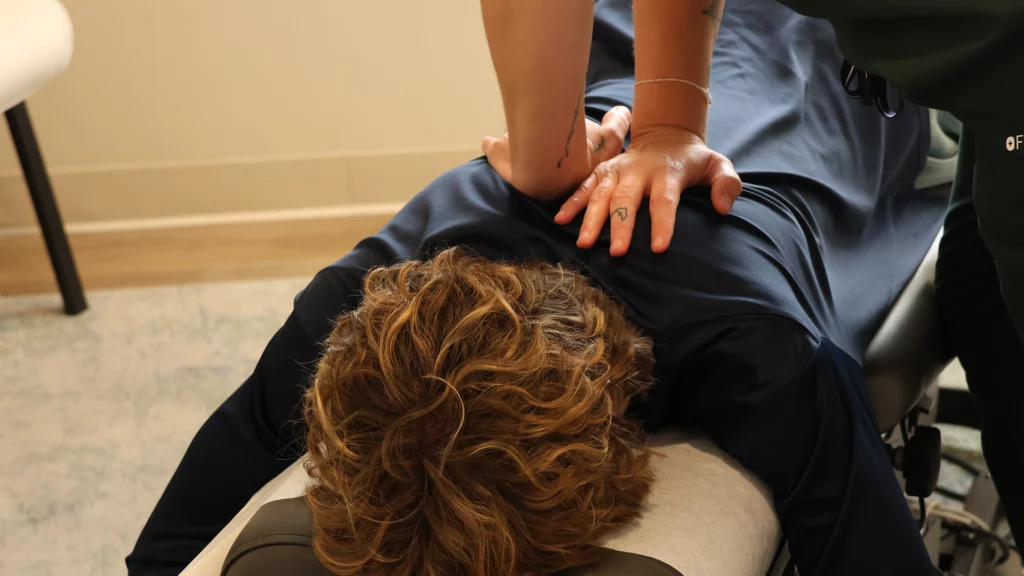
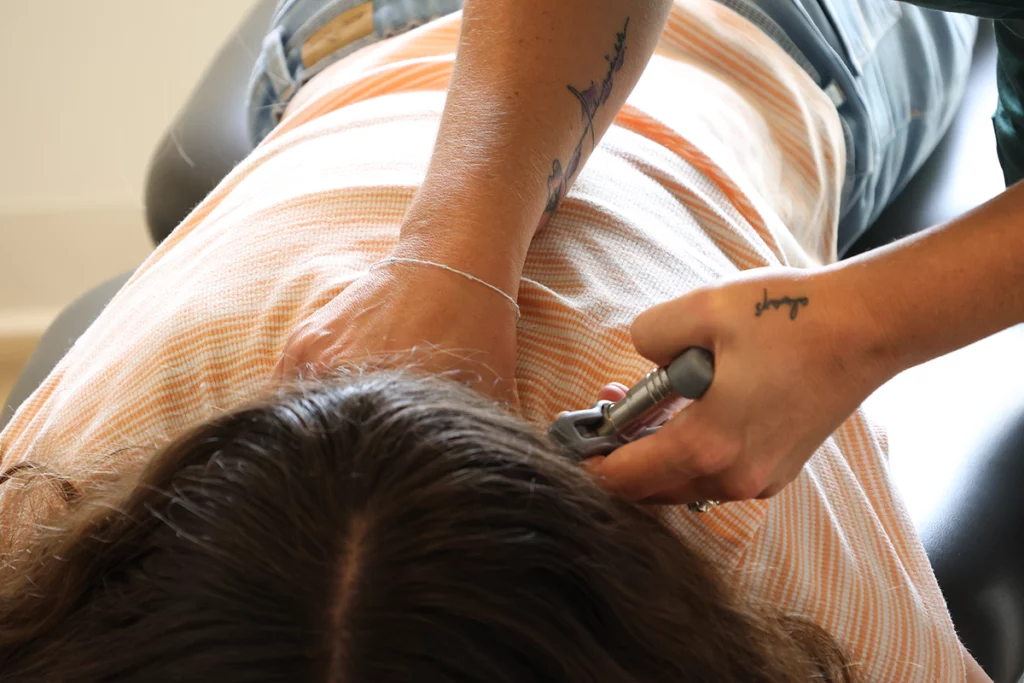
When dealing with a fresh injury, aggressive adjustments are rarely the first line of defense. Instead, gentle mobilization techniques are used to restore motion without aggravating inflamed tissues. These careful, non-forceful movements help lubricate the joints and prevent the spine from locking up as a protective mechanism.
Reducing Inflammation Naturally
Acute injuries almost always involve inflammation. Techniques like ice therapy, specific soft tissue work, or gentle adjustments help flush out inflammatory chemicals and speed up the initial healing phase. By addressing swelling early, pressure is taken off sensitive nerves, providing significant acute back pain relief.
Preventing Scar Tissue
Early intervention helps muscles and ligaments heal correctly, preventing the formation of restrictive scar tissue. When the body heals in a “scrambled” pattern due to lack of movement, it can lead to chronic stiffness and reduced flexibility later in life. Targeted care ensures that fibers align properly as they repair, maintaining the range of motion and function necessary for a full recovery.
Long-Term Strategies for Chronic Back Pain
Correcting Structural Misalignments
For pain that has persisted for months, the focus shifts to correcting the bad posture or spinal curvature fueling the issue. Consistent adjustments over time work to retrain the spine and nervous system. This process is like straightening teeth with braces; it takes time and repetition to make permanent changes to the body’s structure, offering true chronic back pain treatment.
Decompression Therapies
Spinal decompression or traction can be incredibly effective for relieving pressure on compressed discs, a common culprit in long-term back issues. These therapies gently stretch the spine, creating negative pressure within the disc that promotes the retraction of bulging material.
Restoring Functional Movement
The ultimate goal of long-term care is getting you back to doing what you love, whether that’s gardening, golfing, or playing with your kids. Treatment plans focus on improving overall flexibility and core stability to support the spine during daily activities. By restoring functional movement, patients regain their independence and confidence, moving past the fear of re-injury.
Back Pain Chiropractic Therapy
Hershey Family Chiropractic: Your Partners in Pain Relief
A Family-First Approach
Hershey Family Chiropractic operates on a philosophy of treating every patient like a family member. The environment is designed to ensure you feel supported, heard, and valued throughout your recovery journey. This supportive atmosphere reduces the anxiety often associated with medical visits and fosters a strong sense of community and trust.
Integrated Care Under One Roof
There is a significant benefit to having chiropractic care and complementary therapies available in one place. Integrated care allows for a seamless treatment plan tailored to specific needs, combining adjustments with massage or rehabilitation exercises. This coordination ensures that all aspects of your health are working together toward the same goal.
Commitment to Long-Term Wellness
The goal at HFC isn’t just a quick fix, but a lasting partnership to help manage stress, prevent future pain, and achieve overall health. Being an active, long-term partner involves educating patients on how to maintain their results.
Soft Tissue Therapies as a Vital Companion
Massage Therapy for Muscle Tension
Tight muscles often pull the spine out of alignment, making massage an essential partner to chiropractic adjustments. When muscles are relaxed, adjustments hold better and longer. Massage therapy increases blood flow to the affected areas, reducing spasms and promoting relaxation, which creates a more favorable environment for spinal healing.
Myofascial Release
Myofascial release is a specific technique for releasing tightness in the connective tissues (fascia) that surround muscles. This connective tissue can become rigid due to trauma or poor posture, contributing to chronic stiffness that adjustments alone might not resolve. Releasing these restrictions improves mobility and reduces the tension pulling on the skeletal structure.
Trigger Point Therapy
Targeting specific “knots” in the back muscles, known as trigger points, can offer immediate relief for nagging aches. These hypersensitive spots can refer pain to other areas of the body, mimicking other conditions. Releasing these points helps reset the muscle tone and alleviates the referral pain patterns, complementing the structural work of a spinal pain chiropractor.
Empowering You with Home Care
Ergonomic Advice for Daily Life
What happens outside the clinic is just as important as the treatment itself. Practical tips for adjusting workspace setups, car seat positioning, or sleeping postures can prevent micro-traumas throughout the day. Simple changes, like raising a monitor to eye level or using lumbar support, can significantly reduce the strain on the back during daily tasks.
Corrective Stretches and Exercises
A personalized exercise plan helps strengthen the core and stretch tight areas to stabilize the spine. These exercises are prescribed to address specific weaknesses found during the examination. Doing them consistently reinforces the changes made during treatment and builds the muscular endurance needed to protect the back from future injury.
Lifestyle Adjustments
Hydration, nutrition, and stress management are key pillars that support the body’s natural ability to heal from back pain. Dehydrated discs are more prone to injury, and inflammatory foods can slow down recovery. Holistic advice on these lifestyle factors ensures the body has the resources it needs to repair tissue and maintain optimal function.

Lower Spine Pain Therapy
Breaking the Cycle of Recurrence
Maintenance Care Explained
Once the pain is gone, periodic check-ups can catch minor misalignments before they turn into major pain episodes again. Maintenance care is similar to regular dental cleanings; it prevents problems rather than just fixing them after they occur. This proactive approach keeps the spine functioning optimally and reduces the likelihood of a severe relapse.
Building Resilience
A healthy spine is more resilient to the physical demands of life, making you less prone to injury in the future. Through consistent care and strengthening, the body becomes better equipped to handle stress, heavy lifting, or long periods of sitting. Building this resilience is the key to an active, unrestricted lifestyle.
Listening to Your Body
Patients are encouraged to pay attention to subtle signals from their bodies and seek care early, rather than “toughing it out” until the pain becomes severe. Pain is a messenger, and ignoring it usually leads to more complex problems down the road. developing a habit of listening to the body promotes a proactive mindset toward health.
Conclusion
Whether your pain is new or old, targeted chiropractic care offers a drug-free path to relief by addressing the root cause. From the sharp signal of an acute injury to the persistent ache of chronic conditions, understanding the source of discomfort is the first step toward healing.
Finding a back pain chiropractor who understands the nuance between acute and chronic pain is key to unlocking a pain-free future. Comprehensive diagnostics, combined with targeted therapies and lifestyle changes, create a robust foundation for long-term health.
Schedule a new patient appointment today to start the journey toward a healthier back and a happier life. Relief and recovery are within reach, and you don’t have to navigate back pain alone.
Hershey Family Chiropractic
https://maps.app.goo.gl/tiT5UL8aDwJbhBxD7
24 Northeast Dr Suite A, Hershey, PA 17033
Phone: (717) 531‑3411
https://hersheyfamilychiropractic.com/
