
Lower Spine Pain: Why Sitting All Day Might Be the Real Problem
Do you ever finish a long day at the office feeling stiffer than when you started? It’s a common paradox: you haven’t run a marathon or lifted heavy weights, yet your body feels exhausted, and your lower back throbs with a dull ache. Even if you haven’t moved much physically, your body has been working hard to maintain that seated position, often leading to significant discomfort.
Modern life has tethered many of us to desks, cars, and couches, leading health experts to coin the phrase “sitting is the new smoking.” While this might sound dramatic, sedentary habits directly impact physical health, particularly spinal integrity. The human body was designed for movement, yet the average workday often demands the exact opposite.
This post uncovers exactly how prolonged sitting damages the lower spine pain and offers practical, supportive advice on counteracting these effects. By understanding the mechanics of your back and implementing small changes, you can build a foundation for a healthier, pain-free life without quitting your desk job.
The Mechanics of Sitting: What Happens to Your Spine
Increased Pressure on Discs
Many people assume that sitting is a restful activity for the body, but biomechanically, it places significant stress on the lumbar spine. Research suggests that sitting puts significantly more pressure on the lumbar discs compared to standing or walking. Over time, this sustained compression can squeeze the fluid out of these shock-absorbing discs, potentially leading to bulges, herniations, or chronic lower spine pain.
Loss of the Natural Lumbar Curve
The spine naturally curves inward at the lower back, a shape known as lordosis, which helps distribute weight evenly. When you sink into a soft chair or hunch over a keyboard, the pelvis tends to tuck under, causing the lower back to flatten or round out. Reversing this natural, healthy curvature for eight hours a day places excessive strain on the ligaments and spinal structures tailored to support an arched position.
Static Loading and Stiffness
“Static loading” refers to the physical demand placed on muscles when they must hold a stationary position for an extended period. Even though you aren’t moving, the muscles in the back are contracting to keep you upright, eventually tiring out. This fatigue leads to stiffness and reduced flexibility in the spinal joints, making that first movement after standing up feel incredibly rigid and uncomfortable.

Lower Spine Pain
The Hidden Muscle Imbalances Caused by the Chair
The Problem with Tight Hip Flexors
Sitting keeps the hips in a constantly flexed position, which can cause the psoas muscles (hip flexors) to shorten and tighten over time. Because these muscles attach to the lumbar spine, tight hip flexors can pull on the lower back even when you are standing upright.
Weak Glutes and “Gluteal Amnesia”
When you sit on your glutes all day, these powerful muscles essentially go to sleep, a phenomenon sometimes called “gluteal amnesia.” Inactive and weak glutes fail to support the pelvis properly during movement, forcing the lower back muscles to compensate and take over the job of stabilizing the body.
Deactivation of Core Muscles
Slouching in a chair allows the deep abdominal muscles to “turn off” because the chair’s backrest is doing all the work. Without active engagement from the core, the spine loses its primary support system, leaving it vulnerable to injury. A disengaged core means the burden of holding the upper body’s weight falls entirely on the vertebrae and discs.
Common Posture Pitfalls We All Fall Into
The “Slouch” and Forward Head Carriage
Leaning forward toward a computer screen creates a chain reaction of tension that travels down the entire spine. For every inch the head moves forward, its relative weight on the neck doubles, creating strain that radiates downward. This “forward head carriage” forces the rest of the spine to compensate, often resulting in a rounded upper back and increased pressure on the lower lumbar region.
Uneven Weight Distribution
Small, unconscious habits like leaning to one side, sitting on a wallet, or crossing legs can have a major impact over time. These positions tilt the pelvis and twist the spine, creating an asymmetrical load on the spinal discs and muscles. Over months and years, this uneven weight distribution can lead to structural shifts and persistent one-sided pain.
Ignoring the Signals of Fatigue
The body has a built-in alarm system that signals when it needs to move, usually in the form of fidgeting or subtle discomfort. Unfortunately, intense focus on work tasks often leads people to ignore these signals, pushing through the discomfort until it transforms into actual pain.
Hershey Family Chiropractic: Partners in Postural Health
A Whole-Family Approach to Wellness
Hershey Family Chiropractic views patients not just as appointments, but as family members deserving of compassionate care. The practice offers a welcoming environment where long-term health and comfort are the top priority for every individual who walks through the door. Whether treating a young student with “text neck” or a professional with chronic back issues, the goal is always holistic wellness.
Personalized Assessment of Daily Habits
Successful treatment requires looking beyond just the immediate symptoms to understand the lifestyle factors contributing to the pain. Being active partners in health means analyzing work setups, daily challenges, and habits that might be triggering lower spine pain issue. This comprehensive assessment ensures that the root cause is addressed, rather than just masking the discomfort.
Comprehensive Care for Lasting Relief
Combining chiropractic adjustments with education creates a powerful path toward recovery. The team focuses on managing stress and building a foundation for a pain-free life through a blend of hands-on care and practical guidance. This approach empowers patients to take control of their spinal health and prevent future issues.
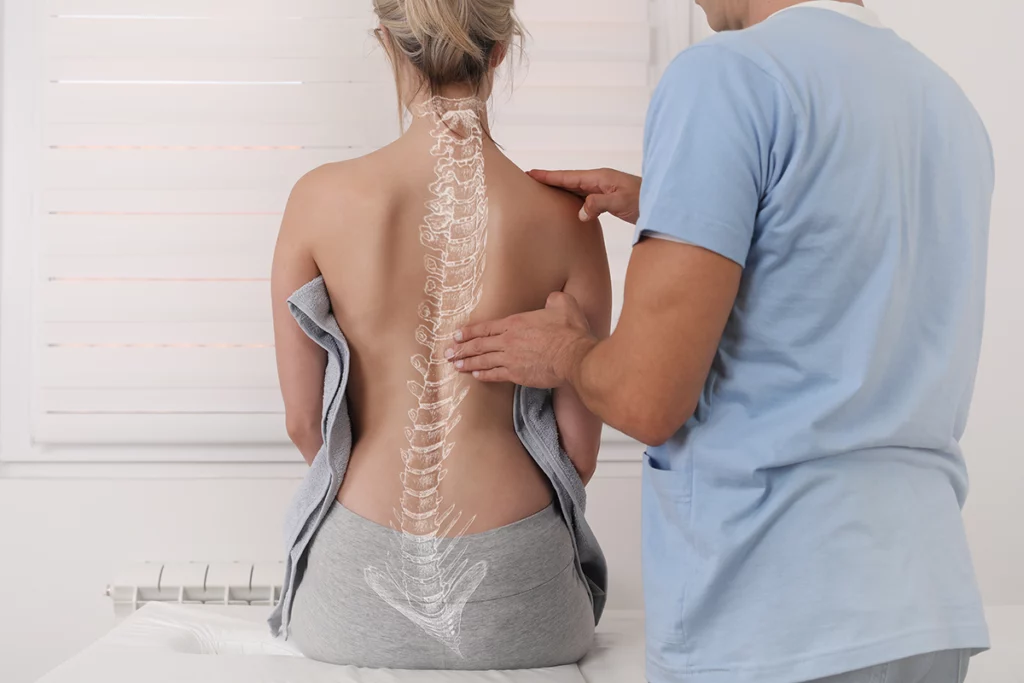
Lower Spine Pain Treatment
Ergonomic Adjustments for a Healthier Workspace
Chair Configuration 101
A properly adjusted chair is the first line of defense against back pain. The seat height should allow feet to rest flat on the floor with thighs parallel to the ground, while the backrest should support the natural curve of the lumbar spine. Armrests should be positioned so shoulders can relax without hunching, preventing tension from building up in the upper back and neck.
Monitor and Keyboard Placement
Keeping screens at eye level is essential to prevent the head from drifting forward. If the monitor is too low, the neck bends, and the back follows suit; using a riser or a stack of books can easily solve this. Similarly, the keyboard and mouse should be close enough to the body so that elbows remain by the sides, eliminating the need to lean or reach.
The Role of Standing Desks
Standing desks can be a fantastic tool for breaking up sedentary time, but they must be used correctly. Switching from “sitting all day” to “standing all day” without a transition can cause new aches in the feet and lower back. The best approach is to alternate between sitting and standing, aiming for small intervals of standing work to keep the body dynamic.
The Power of “Movement Snacking”
The 30-Minute Rule
Setting a timer to stand up, stretch, or walk for just one minute every half hour is a highly effective strategy known as “movement snacking.” This brief interruption is enough to reset posture, improve blood flow, and rehydrate spinal discs. Consistently breaking the static cycle prevents the cumulative fatigue that leads to end-of-day stiffness.
Simple Desk Stretches
There are easy, non-disruptive stretches that can release tension without leaving the workspace. A simple seated spinal twist, a gentle neck roll, or a seated figure-four stretch can help loosen tight hips and lower back muscles. Incorporating these micro-movements keeps the joints lubricated and prevents muscles from locking up.
Walking Meetings and Active Breaks
Finding creative ways to incorporate movement into the workday can drastically reduce total sitting time. Taking phone calls while standing or opting for a “walking meeting” with a colleague changes the physical dynamic of the day. Using the lunch break for a short walk rather than sitting in a breakroom provides a mental reset and physical relief for the spine.
Strengthening Your Body Against the Chair
Focusing on Core Stability
Building deep abdominal strength is necessary to protect the lower back from the strains of sitting. Simple exercises like planks or “bird-dogs” engage the transverse abdominis, the body’s natural corset. A strong core acts as a built-in brace, taking pressure off the spine and maintaining proper alignment throughout the day.
Reactivating the Posterior Chain
Exercises aimed at waking up the glutes and hamstrings are vital for counterbalancing the effects of sitting. Bridges, squats, and lunges help strengthen the posterior chain, reversing the “gluteal amnesia” caused by prolonged chair time. Stronger glutes provide a stable base for the pelvis, reducing the workload on the lower back.
Incorporating Yoga or Pilates
Yoga and Pilates are excellent disciplines for improving overall body awareness, flexibility, and spinal alignment. These practices focus on controlled movement and breath, helping to lengthen tight muscles and strengthen weak ones. Regular practice can help undo the postural damage of desk work and promote a healthier, more resilient spine.
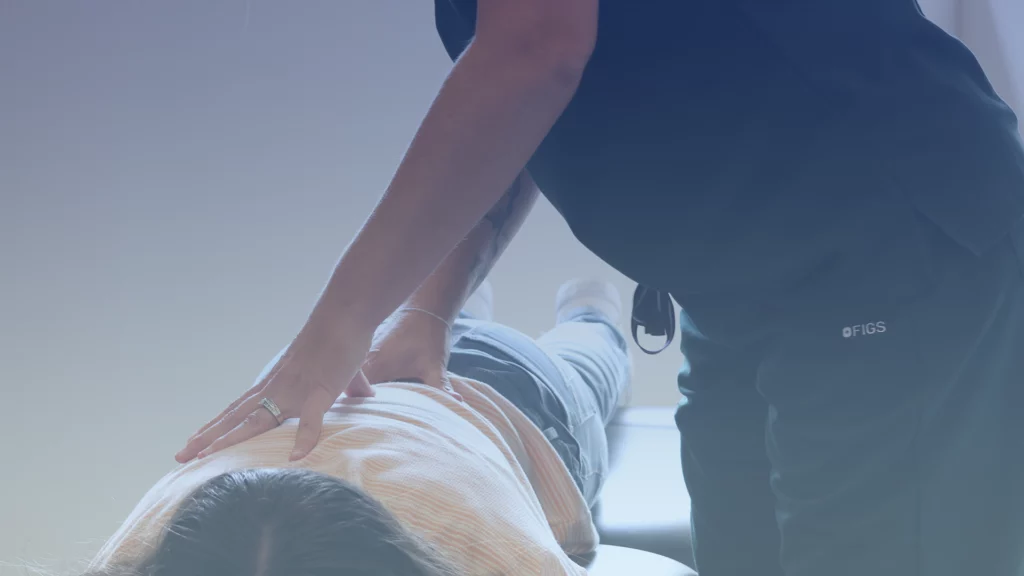
Lower Back Pain Treatment
The Role of Hydration and Nutrition in Spine Health
Hydrating Your Spinal Discs
Spinal discs are largely made of water, which is required to maintain their height and shock-absorbing properties. Dehydration can cause these discs to shrink and lose flexibility, making them more susceptible to injury and spin pain. Keeping a water bottle at the desk acts as a reminder to drink throughout the day, supporting spinal health from the inside out.
Anti-Inflammatory Nutrition
A diet rich in whole foods helps reduce systemic inflammation that might exacerbate lower spine pain. Consuming plenty of fruits, vegetables, healthy fats, and lean proteins provides the nutrients necessary for tissue repair and maintenance. Reducing intake of processed foods and sugar can help minimize inflammation triggers that worsen chronic aches.
Avoiding the Afternoon Sugar Crash
Stable energy levels are key to maintaining good posture, whereas fatigue often leads to slouching and poor form. Relying on sugary snacks for an afternoon boost leads to a crash that leaves muscles tired and the body slumping. Choosing balanced snacks ensures sustained energy, helping the body maintain an upright, healthy posture until the workday ends.
Taking Back Control of Your Comfort
Sitting puts unique stress on the spine, creates muscle imbalances, and requires proactive ergonomic and lifestyle changes to manage effectively. From tight hip flexors to “gluteal amnesia,” the chair presents several challenges to physical well-being. However, by understanding these mechanisms and implementing movement strategies, it is possible to mitigate the damage.
You don’t have to quit your job to save your back; small, consistent changes and the right support team make a huge difference. Prioritizing movement, adjusting the workspace, and listening to the body’s signals are powerful steps toward a healthier life.
Reach out to Hershey Family Chiropractic to schedule a consultation. Creating a personalized plan for combating lower spine pain and reclaiming comfort is the best way to ensure long-term spinal health.
Hershey Family Chiropractic
https://maps.app.goo.gl/tiT5UL8aDwJbhBxD7
24 Northeast Dr Suite A, Hershey, PA 17033
Phone: (717) 531‑3411
https://hersheyfamilychiropractic.com/
