
Sciatica Chiropractor Near Me: Fast Relief for Pain That Radiates Down Your Leg
You know the feeling. One moment you’re moving freely, and the next, a sharp, electric shock travels from your lower back, shoots through your hip, and zaps all the way down your leg. It stops you cold. It’s not just a backache; it’s a nagging, persistent reminder that something deep inside isn’t right. This specific type of pain can make everything from walking the dog to sleeping through the night feel like a monumental challenge.
This sensation is often the hallmark of sciatica, a condition caused by a pinched or irritated sciatic nerve. While it can feel debilitating, it’s a symptom rather than a permanent state of being. Many people assume they just have to live with it or resort to heavy medication, but that isn’t the case. Sciatica chiropractor near me offers a path to relief that focuses on the structural issues causing the pain, rather than just masking the symptoms.
This guide is here to demystify sciatica and explain how local chiropractic care provides a drug-free route to recovery. You will learn about the root causes of that radiating pain, how chiropractic adjustments target the source, and why soft tissue therapy is a crucial part of the healing process.
Understanding the Sciatic Nerve and Why It Hurts
The Anatomy of the Longest Nerve
The sciatic nerve is the longest and thickest nerve in the human body. It originates in the lower back, bundling together nerve roots from the spine, and runs through the hips and buttocks down the back of each leg. Because of its length and path through major muscle groups and joints, it is highly susceptible to irritation.
Pinpointing the Source of Compression
Sciatica occurs when something encroaches on the space the nerve needs to function. Common culprits include a herniated disc, where the cushion between vertebrae bulges out and presses on the nerve root. Bone spurs, which are bony projections that develop along bone edges, can also narrow the space in the spine.
Recognizing the Symptoms Beyond Pain
While shooting pain is the most famous symptom, sciatica can manifest in several other uncomfortable ways. You might experience numbness in the leg or foot, making it feel “asleep.” Others report a tingling sensation, often described as pins and needles or burning. In more severe cases, muscle weakness can occur, making it difficult to lift your foot or stand up on your toes, signaling that the nerve’s ability to transmit signals to the muscles is compromised.
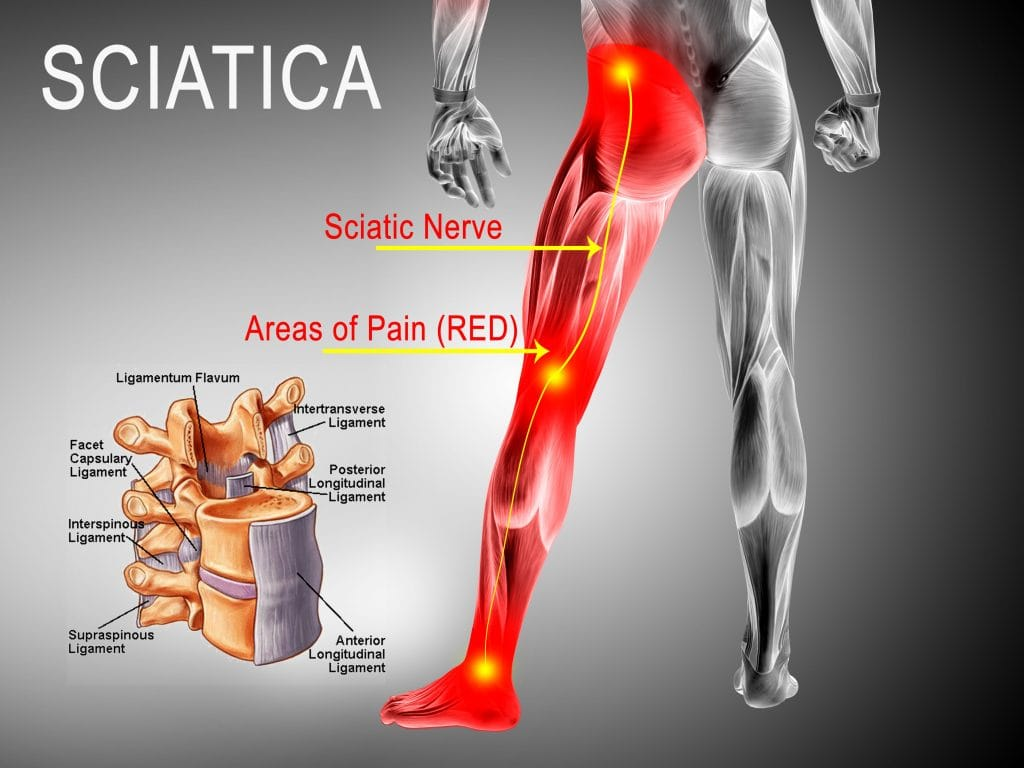
Sciatica Chiropractic Treatment
How Chiropractic Adjustments Target the Root Cause
Relieving Pressure on the Nerve
Chiropractic care focuses on the structural alignment of the spine to address the root cause of sciatica. Through precise spinal adjustments, a chiropractor can gently realign the vertebrae in the lower back. This realignment helps to restore proper movement and positioning, which physically reduces the pressure being placed on the sciatic nerve roots.
Restoring Pelvic Balance
The pelvis acts as the foundation for the spine, and if it is misaligned, it can create a chain reaction of issues. A tilted pelvis or uneven hips can cause the muscles and ligaments surrounding the sciatic nerve to stretch or tighten unnaturally. Chiropractic adjustments work to correct these structural imbalances in the pelvis.
Improving Nervous System Communication
Beyond just moving bones, chiropractic adjustments aim to optimize the function of the entire nervous system. When the spine is out of alignment, it creates interference in the communication pathways between the brain and the body. By clearing this interference, the body’s natural healing capabilities are enhanced.
The Role of Spinal Decompression
Creating Space for Healing
Spinal decompression therapy is a valuable tool for treating sciatica, particularly when discs are involved. This non-invasive therapy involves a specialized table that gently stretches the spine. This traction creates space between the vertebrae, which is crucial for relieving the compressive forces acting on the discs and nerve roots.
Rehydrating Spinal Discs
The stretching action of decompression therapy creates a negative pressure or vacuum effect within the spinal discs. This negative pressure encourages bulging or herniated disc material to retract back into its proper place, away from the sciatic nerve. Furthermore, this vacuum effect promotes the flow of oxygen, water, and nutrient-rich fluids into the discs.
A Non-Surgical Alternative
For many patients, the thought of back surgery is daunting and comes with significant recovery time. Spinal decompression serves as a safe and effective alternative for those looking to avoid invasive procedures. It offers a way to manage and resolve disc-related sciatica without the risks associated with surgery or the side effects of long-term reliance on heavy pain medication.
Hershey Family Chiropractic: Your Supportive Care Team
A Family-Centered Healing Environment
Hershey Family Chiropractic prides itself on being more than just a medical office; it is a welcoming community hub. The practice offers a warm, supportive atmosphere where patients are treated like neighbors and friends. The goal is to ensure you feel comfortable and understood from the moment you walk through the door.
Comprehensive Care Under One Roof
One of the major benefits of choosing this practice is the integration of multiple therapies in one location. Patients have access to chiropractic care, massage therapy, and wellness support all under the same roof. This coordinated approach ensures that all aspects of your sciatica—skeletal, muscular, and lifestyle—are addressed simultaneously.
Long-Term Partnership for Pain-Free Living
The team at Hershey Family Chiropractic focuses on more than just immediate symptom relief. They are committed to building a long-term partnership with you to achieve lasting wellness. This involves working together on prevention strategies, stress management, and overall health goals to keep you active.
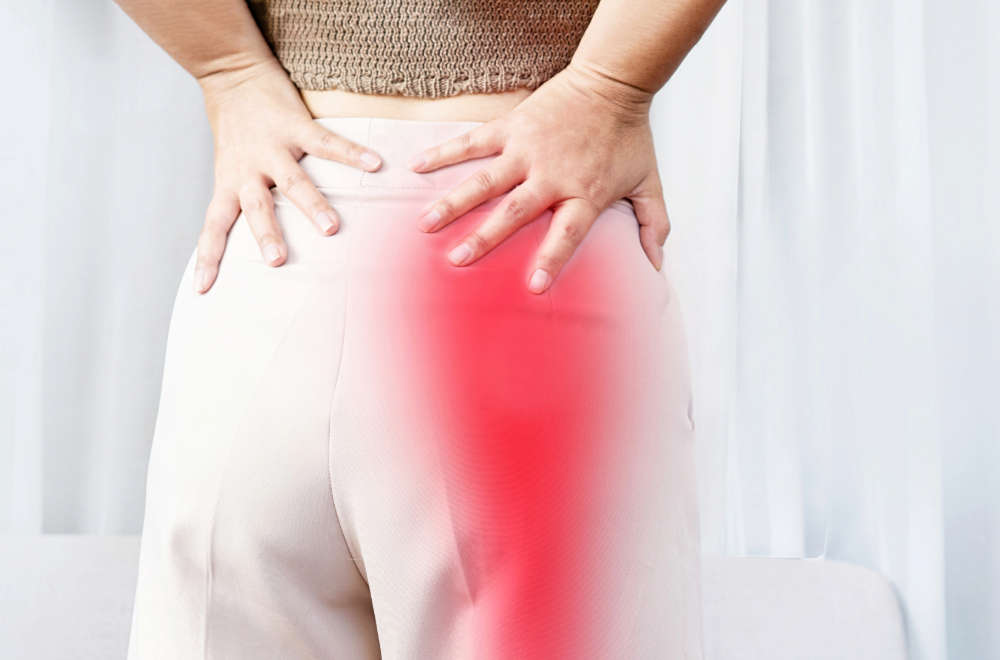
Sciatica Chiropractic Care
Soft Tissue Therapies for Sciatica Relief
Tackling Piriformis Syndrome
Sometimes the spine is healthy, but the muscles are the problem. The piriformis muscle is a common source of sciatic pain because the nerve runs directly underneath or through it. If this muscle becomes tight or spasms, it traps the nerve, causing symptoms identical to disc issues.
Reducing Inflammation and Spasms
Soft tissue therapy is essential for addressing the inflammation that accompanies nerve irritation. When muscles are tight and guarding an injury, they restrict blood flow, which traps inflammatory chemicals in the tissue. Massage and soft tissue work increase circulation to the affected area, helping to flush out these toxins.
Enhancing Flexibility for Better Movement
Tight hamstrings and lower back muscles can pull on the pelvis and spine, exacerbating sciatic symptoms. Soft tissue therapies help to lengthen these shortened muscles and restore normal flexibility. By loosening the tension in the posterior chain (the back of the legs and spine), the constant tug-of-war on the skeletal structure is reduced.
Immediate Home Relief Strategies
The Ice vs. Heat Debate
Knowing when to use ice versus heat can make a big difference in managing flare-ups. In the initial stages of acute pain, ice packs are generally recommended to reduce inflammation and numb the area. Applying ice for 15-20 minutes can calm the sharp, shooting pain. Conversely, heat is better suited for relaxing tight muscles and stiffness.
Gentle Nerve Flossing Exercises
“Nerve flossing” or nerve gliding exercises are simple movements designed to mobilize the nerve. The goal is to help the sciatic nerve slide smoothly through the surrounding tissues rather than getting stuck or tethered. A common exercise involves sitting in a chair, straightening the affected leg, and gently flexing the foot while tilting the head back.
Sleeping Positions for Comfort
Finding a comfortable sleeping position is notoriously difficult with sciatica. To keep the spine neutral and take pressure off the nerve, try sleeping on your side with a pillow placed between your knees. If you prefer sleeping on your back, placing a pillow under your knees helps to maintain the natural curve of the lower back.
Prevention: Keeping Sciatica from Returning
Core Strengthening for Spinal Support
A strong core acts as a natural corset for your back, providing essential stability for the lumbar spine. Weak abdominal and back muscles leave the spine vulnerable to the twisting and shearing forces that lead to disc injuries. Engaging in regular core strengthening exercises helps to support the vertebrae and maintain proper alignment.
Ergonomics for the Office and Car
Modern life often involves long periods of sitting, which is a major aggravate for sciatic pain. Setting up your workspace ergonomically is crucial; ensure your chair supports your lower back and your feet are flat on the floor. In the car, adjust your seat so your knees are slightly lower than your hips to avoid the “slump.” Taking frequent breaks to stand and move prevents the stiffness and compression that accumulate during long commutes or workdays.
Regular Movement and Stretching
Motion is lotion for the joints and spine. Incorporating a routine of regular walking keeps the hips mobile and encourages blood flow to the spinal structures. Specific stretches, such as the pigeon pose or seated figure-four stretch, target the hips and glutes to keep them open and flexible.
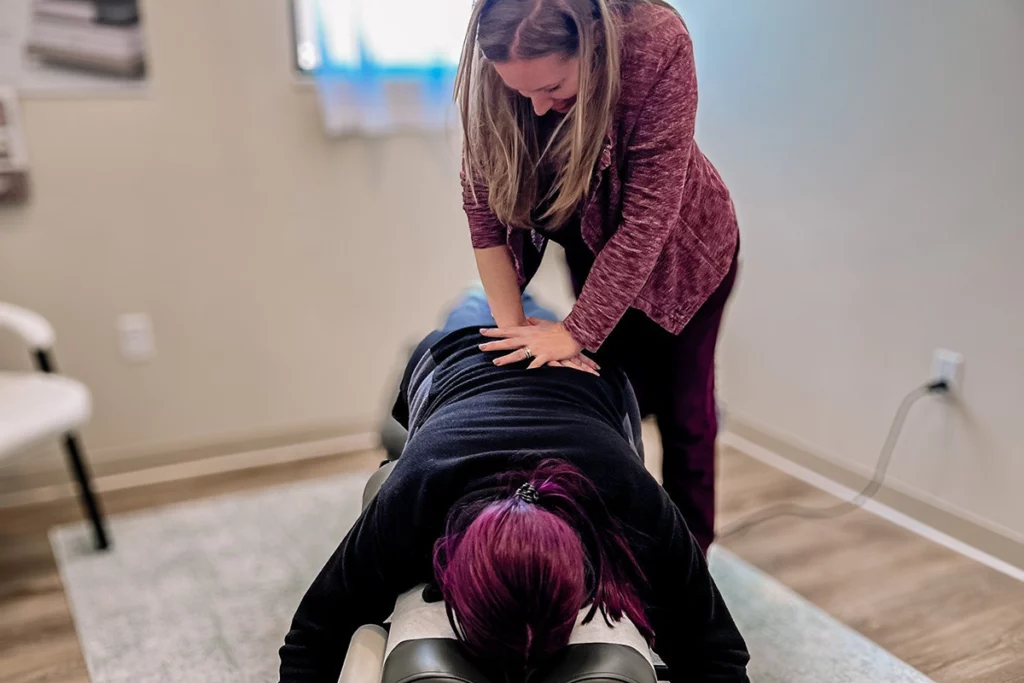
Sciatica Chiropractic Therapy
When to Seek Professional Help
Identifying Red Flags
While most sciatica cases can be managed with conservative care, certain symptoms require immediate attention. If you experience a loss of bladder or bowel control, this is a medical emergency known as cauda equina syndrome. Similarly, severe or rapidly progressing weakness in the leg, or numbness in the “saddle” area (inner thighs and groin), are signs that the nerve compression is severe.
Moving Beyond “Toughing It Out”
Many people try to ignore the pain, hoping it will go away on its own. However, early intervention is key to a faster recovery. Waiting until the pain becomes unbearable or until you can barely walk often leads to a longer and more difficult healing process. Seeking help from a sciatica chiropractor near me at the first sign of trouble allows for less invasive treatments and prevents the condition from becoming chronic.
The Initial Consultation
The first visit to a chiropractor is designed to get to the bottom of your specific issues. It typically involves a thorough physical exam, a review of your medical history, and sometimes imaging like X-rays. This comprehensive assessment allows the doctor to understand the exact cause of your pain. From there, a personalized recovery plan is built, tailored to your body and your goals, setting the stage for effective healing.
Get Back to Living Pain-Free
Sciatica is complex, stemming from nerve compression that can be caused by anything from a herniated disc to a tight muscle. Chiropractic care addresses these root causes through spinal adjustments, pelvic alignment, and nervous system support. Combining this with spinal decompression, soft tissue therapy, and smart lifestyle changes offers the most robust path to relief.
You don’t have to live with the debilitating pain of sciatica or rely on temporary fixes. Effective, non-invasive help is available right in your community. If you are looking for a chiropractor near me for sciatica, or specifically a chiropractor for sciatica near me, help is closer than you think.
Reach out to Hershey Family Chiropractic to schedule a NEW patient appointment today. Let’s start your journey back to comfortable movement and a pain-free life together.
Hershey Family Chiropractic
https://maps.app.goo.gl/tiT5UL8aDwJbhBxD7
24 Northeast Dr Suite A, Hershey, PA 17033
Phone: (717) 531‑3411
https://hersheyfamilychiropractic.com/
